Cleaning Fee Standardization:
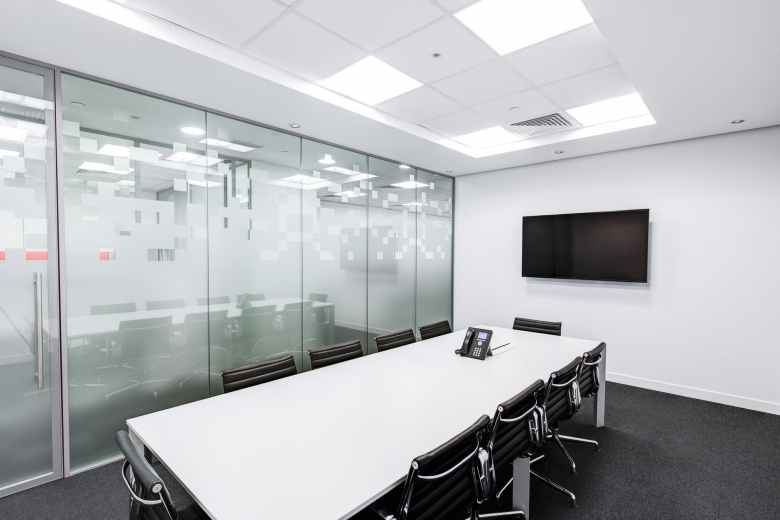 During my first few months at Uber, my team and I became experts on administering cleaning fees. We performed so well that it was decided that cleaning fees could be outsourced and free us up for additional challenges. Before that happened, I worked with my direct manager and another team member to standardize the administration of cleaning fees and look into fraud cases. I collected data from teammates each time they administered a fee (or, conversely, why they did not). From this data I found trends in the size, type and location of messes and corresponding pay outs of fees. I confirmed this data with my teammates through a cleaning fee game where we posted a picture and they held up cards to signify payout or not. Through this data we reiterated our trends and created a simple to use calculator to easily understand how much and when to administer a cleaning fee. This was once again tested with members from other teams who were easily able to understand the new process.
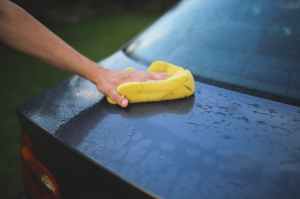
At the same time, we collected data on all reports of cleaning fee fraud within the system. From this, trends were collected of common markers of attempted fraud. Before sending the administration of cleaning fees to another outsourced team, we were able to use these trends to standardize ways to catch fraud and concrete steps to take once fraud has been confirmed. This helped reduce frustrations for both drivers and riders of the system as well as protected the company from wrongful payout. Although this project involved looking at a lot of pictures of vomit, it was fulfilling to see the real results as my team moved on to different projects, resting assured that our previous project would be handled efficiently and correctly.
Amphibians:
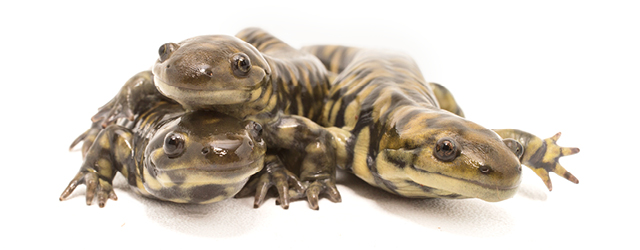
After the topic had been chosen for the new special exhibit at Shedd Aquarium, the development team needed more information on their audience before diving too deep. As part of the Audience Research & Evaluation team, I interviewed visitors on their prior knowledge, interest in and experience with amphibians through several tests. In one, I played games with the visitors by asking them to categorize pictures of animals into “Amphibian” or “Reptile” while asking them their thoughts behind selections. Another was a short interview on how they would describe an amphibian and what came to mind after hearing the word.
The fun nature of these studies and addition of incentives like sunglasses and magnets made this one of the most enjoyable studies I have worked on. Several months after entering the data and helping to code, I visited the new exhibit to see how the work I did on the study affected the final outcome. In addition, I completed observations and timing-tracking on visitors in the new exhibit to see how well it succeeded.
Magic: the Gathering:
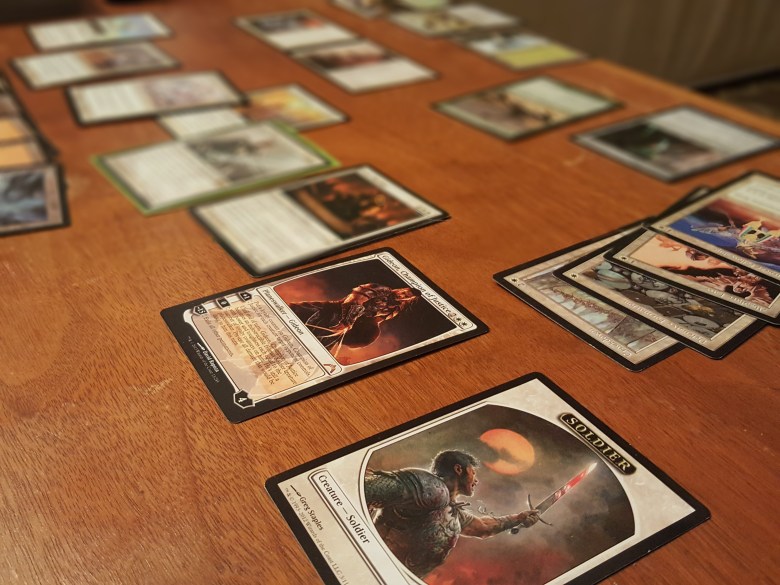
My first large research project was a yearlong ethnographic study on the community of Magic players in central Illinois. Magic: the Gathering is the most popular trading card game that involves collecting and utilizing special cards to go up against opponents and attempt to defeat them. As a dueling game, this was necessarily social and I began to look into the social aspects of the game.
I integrated myself into the community of Magic players both on my campus and in the city community. I learned to play, crafted decks of cards and spent weekends dueling other players. During this time I took extensive field notes as well as formal interviews with players from varying backgrounds and interest. In the end, I discovered a mixed web of interactivity where Magic: the Gathering was simply a tool for a greater intrinsic motivation – sometimes social, sometimes competitive.
 Christina Colman